The grantor also keeps control over the property inside the trust. In grantor trusts the grantor retains certain powers over the trust administration.
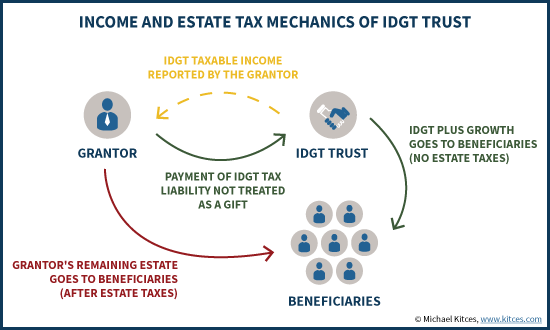
Installment Sale To An Idgt To Reduce Estate Taxes
Distribution of income to the grantor or the grantors spouse without approval or consent of an adverse party.

Grantor of a trust. Grantor Trust A trust where the grantor retains usufruct of the assets in the trust. Benefits of Grantor Trust Rules Trust Income. The purpose of a Trust is to create an Artificial Legal Person to protect hold and manage your private wealth for.
A grantor trust means that you as the grantor the person who established the trust by gift or grant retain certain powers over the trust that result in you continuing to pay income tax on the trust assets. Generally where a living trust is irrevocable the trust will be treated as a separate taxpayer which adds additional complexities and costs. A grantor retained annuity trust or GRAT is a type of irrevocable trust which.
These terms are often interchangeable. A Grantors reversionary interest in either the corpus or the income of the trust. The person who creates a trust is always called the grantor regardless of whether he creates a grantor trust or a different type of trust.
These powers include the power to revoke amend or terminate the trust. The trustee is the person tasked with managing the trusts assets. A grantor trust is usually considered part of the grantors estate when the grantor dies and as such can be subject to the estate tax.
Lets take a closer look at these two. Of the many common types of trusts the grantor trust is very popular due to its simplicity. The grantor can add and remove assets and is also entitled to the income and principal of the trust.
Key Takeaways A grantor is the entity that establishes a trust and legally transfers control of those assets to a trustee who manages. A trust agreement is a legal document that provides instructions on how a property held in trust is supposed to be handled for its beneficiary. In certain types of trusts the grantor may also be the beneficiary the trustee or both.
In simple terms a Grantor Trust is a trust in which the grantor the creator of the trust retains one or more powers over the trust and because of this the trusts income is taxable to the grantor. Most grantor trusts have both trustees and successor trustees. Grantor Trust What is it.
What property to include in the trust who the beneficiaries will be and how beneficiaries will receive their inheritance. They are also sometimes referred to as the trustor or settlor. The Grantor Settlor or Trustor of a trust decides how the trust will operate including.
A grantor trust allows you to create a trust while still living to ensure a quick transfer of assets. The income the trust generates is taxed to the grantors income tax rate rather than to the trust itself. A revocable living trust may be the simplest type of grantor trust to understand.
Because of these basic principles the Internal Revenue Service IRS taxes the grantor on the trusts income. Through the grantors life and through the life of the trust the trust grantor remains in control of the assets placed in the trust. For a grantor trust the grantor is usually also a trustee and beneficiary of the trusts income and principal.
Grantor Retained Annuity Trust GRAT. Grantors can also change the beneficiaries of the trust along with the investments and assets within it. As in any contract someone must initiate the contract Grantor or Trustee.
That is the grantor may continue to use the assets she has placed into the trust even after ceding technical ownership. Types of Grantor Trusts Revocable Living Trust. In many revocable living trusts the grantor takes on the role of trustee during their lifetime.
So the Grantor Trust is simply someone who. But is it right for you. As a legal term the word grantor is commonly used in relation to an individual who creates a trust and conveys ownership of certain assets to the trust and in the creation of certain legal documents such as a Grant Deed.
The grantor is always the person or entity giving away certain property or rights to another. Aside from the beneficiary the grantor and the trustee are important people who play equally significant roles in this legal undertaking. A grantor may also refer to an options writer who earns a premium when.
In estate planning the term grantor is most often used with regards to trusts. Definition of a Grantor Settlor or Trustor of a Trust. Qualified Personal Residence.
When a trust is created the person who creates it decides what property is included and makes the conveyance into the trust is the grantor. The ownership control receipt of trust income or use of principal are all factors to determine whether the Trust is considered a separate entity from the grantor and hence determines who Grantor or the Trust is to report the income generated from the Trust and whether the Trust is able to be excluded from the Grantors estate. A grantor trust is the legal entity a person creates whereas the grantor of a trust is the person who creates it.
The contract trust. A grantor is sometimes known as the settlor or donor of the trust. Examples of powers that will cause a trust to be treated as a Grantor Trust include some of the following.
This can be the income tax result even though you established an irrevocable trust and made a completed gift to the trust.
Grantor Retained Annuity Trusts Bosinvest
How To Save Estate Gift Taxes With Grantor Trusts The Basics Johnson Pope Bokor Ruppel Burns Llp
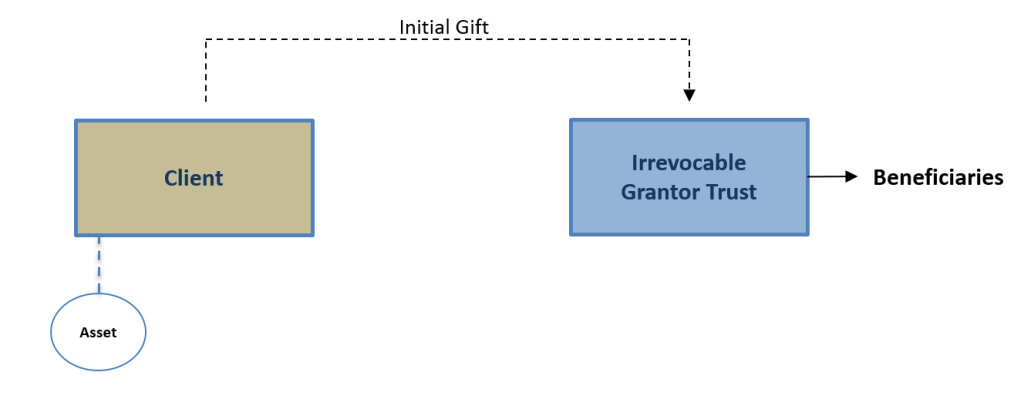
Https Www Blankrome Com Sitefiles Privateclient Idgts Pdf
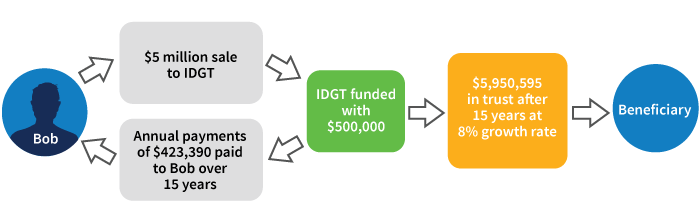
When A Defective Trust May Be Effective Putnam Investments

Transferring Future Appreciation On Business Interests To Beneficiaries A Discussion Of Grantor Retained Annuity Trusts And Sales To Grantor Trusts Q3 2015 Brown Brothers Harriman